Creating a cozy and functional home office space is essential for anyone working remotely or managing tasks from home. A well-designed workspace not only improves productivity but also makes work feel more enjoyable and less stressful. Whether you have a dedicated room or a small corner, these tips will help you transform your space into a comfortable, efficient office.
Choose the Right Location
Start by selecting a spot in your home that minimizes distractions and allows natural light. Ideally, a quiet area away from high-traffic zones is best. If you don’t have a separate room, a corner in the living room or bedroom can work well with the right setup.
Invest in an Ergonomic Chair and Desk
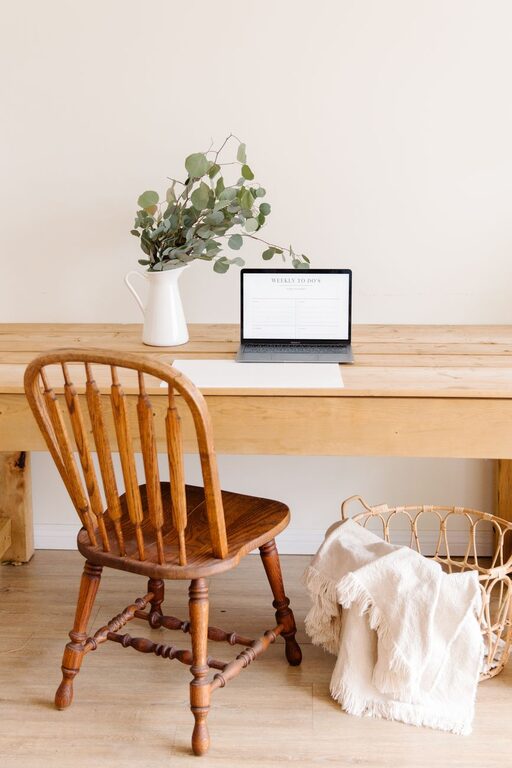
Comfort plays a big role in your ability to focus. An ergonomic chair supports your posture, preventing back and neck pain during long work hours. Pair it with a desk that fits your height and has enough surface area to hold your essentials like a laptop, keyboard, and notebooks.
Maximize Natural Light
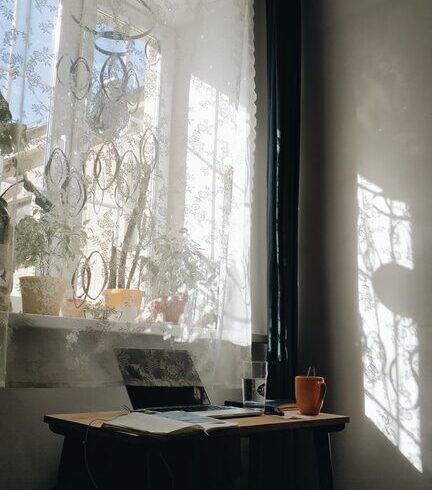
Natural light increases energy and reduces eye strain. Position your desk near a window if possible, but be mindful of glare on your computer screen. Use sheer curtains or blinds to manage sunlight throughout the day.
Add Personal Touches to Boost Comfort
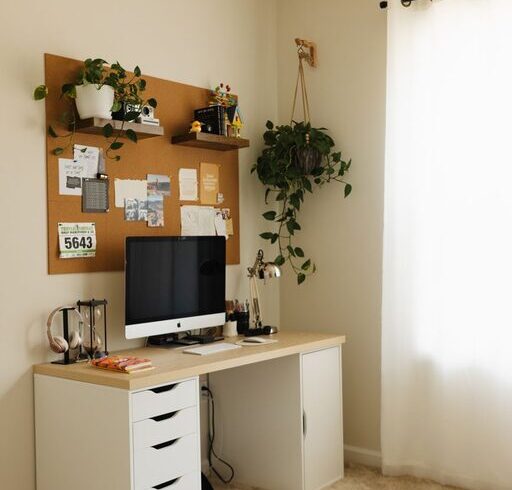
Incorporate elements that make the space feel inviting. This can include a soft throw blanket, cushions, or artwork that inspires you. Plants are another great addition—they improve air quality and add a refreshing touch of nature.
Keep Your Workspace Organized
Clutter hampers focus. Use shelves, drawers, and organizers to keep documents, stationery, and cables neat and accessible. Label storage containers and file folders to maintain an orderly environment.
Use Functional Lighting
Good lighting is crucial, especially if you work into the evening. Invest in a quality desk lamp with adjustable brightness and color temperature. This helps reduce eye strain and keeps you alert during late hours.
Incorporate Technology Thoughtfully
Ensure your workspace has all the necessary technology without overcrowding. Use wireless devices to reduce cable clutter, and consider a docking station if you need to connect multiple gadgets. Reliable Wi-Fi and power outlets within reach make for a smooth workflow.
Choose Soothing, Neutral Colors
Color impacts mood and productivity. Soft neutral shades like beige, gray, or light blue create a calm atmosphere that helps you focus. You can add brighter accent colors through accessories to keep the space lively without overwhelming it.
Create Zones for Different Tasks
If space allows, designate specific areas for different activities, such as a writing nook, computer station, or reading corner. This physical separation can help your brain switch tasks more easily and prevent burnout.
Maintain a Routine for Workspace Upkeep
Regular cleaning and tidying up your home office ensures it remains a pleasant place to work. Set aside a few minutes at the end of each day to put things away and freshen up the area.
—
By combining these tips, you can design a home office that is both cozy and highly functional. The right balance of comfort, organization, and aesthetics will help you stay motivated and productive while enjoying the convenience of working from home.