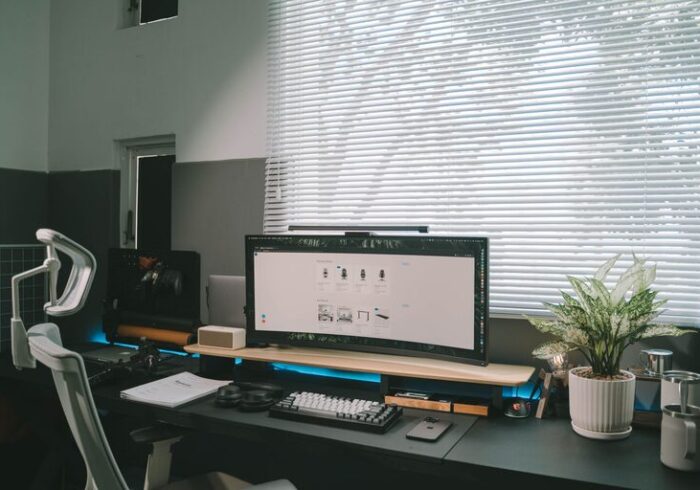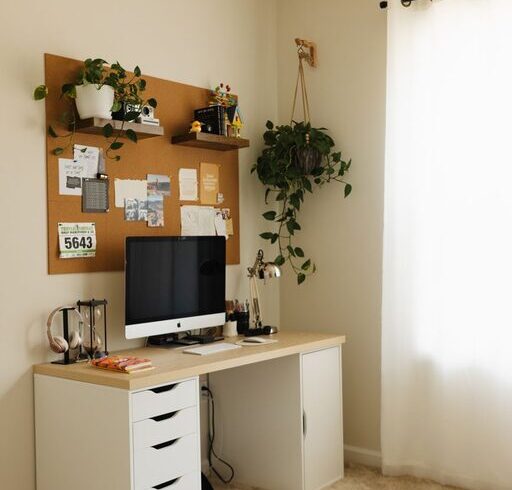
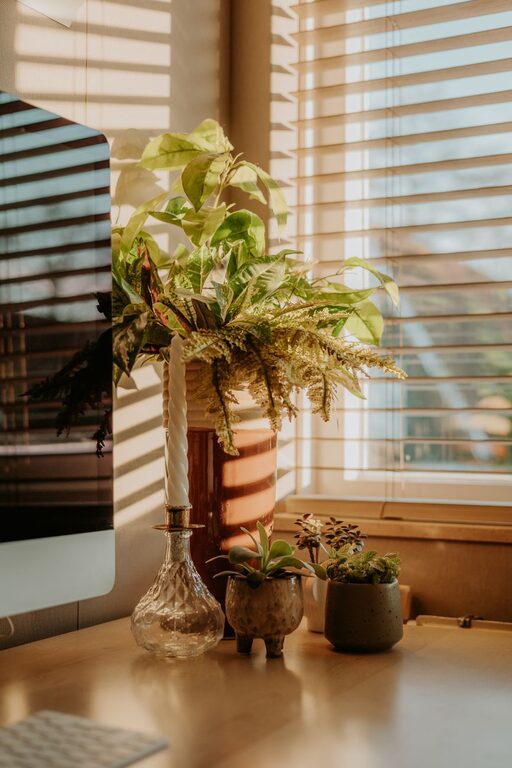
Creating a home office that is both cozy and productive can greatly enhance your work experience and overall well-being. Whether you’re working remotely full-time or occasionally need a dedicated space, a well-designed home office helps maintain focus and reduces stress. This post offers practical tips to help you transform any corner of your home into a workspace that feels inviting and encourages efficiency.
Choose the Right Location
Selecting the best spot for your home office lays the foundation for a comfortable and productive work environment.
– Natural light: Position your desk near a window if possible. Natural light improves mood and reduces eye strain.
– Quiet area: Find a place away from noisy rooms or high-traffic areas to minimize distractions.
– Space for essentials: Ensure there’s enough room for your desk, chair, computer, and any other supplies you need.
Invest in Comfortable Furniture
Comfort is key when setting up your home office. Ergonomic furniture supports your posture and keeps you comfortable throughout the workday.
– Ergonomic chair: Choose a chair with good back support, adjustable height, and comfortable padding.
– Appropriate desk: Select a desk that fits your space and has enough surface area to hold your equipment without clutter.
– Adjustable accessories: Consider a monitor riser or adjustable keyboard tray to position your screen and hands at healthy angles.
Optimize Lighting
Good lighting reduces eye strain and helps create a pleasing, inviting atmosphere.
– Layered lighting: Use a combination of natural light, overhead lights, and task lighting.
– Desk lamps: A focused desk lamp helps illuminate your workspace for detailed tasks, especially in the evenings.
– Soft bulbs: Choose bulbs that emit warm, soft light to reduce harsh shadows and fatigue.
Keep It Organized and Clutter-Free
A neat workspace promotes focus and efficiency. Clutter can be distracting and stressful.
– Storage solutions: Use shelves, drawers, and organizers to keep supplies and papers tidy.
– Regular decluttering: Make it a habit to clear out unnecessary items weekly to maintain order.
– Cable management: Use clips or sleeves to prevent tangled cords and keep your desk looking clean.
Personalize Your Space
Adding personal touches makes your office feel welcoming and boosts motivation.
– Decorative items: Add plants, artwork, or photos that inspire you without overwhelming the workspace.
– Color scheme: Choose calming or energizing colors that suit your taste and help maintain concentration.
– Comfort elements: Include a soft rug, cozy blanket, or cushions to enhance comfort.
Use Technology Wisely
Equip your home office with technology that supports your work without causing distractions.
– Reliable internet: A strong, stable internet connection is essential for video calls and cloud work.
– Efficient devices: Use a computer and peripherals that meet your work needs to prevent frustration.
– Software tools: Utilize productivity apps for task management, scheduling, and communication.
Establish Boundaries and Routine
A dedicated space helps separate work from personal life, which is essential for well-being.
– Set working hours: Define and stick to specific work hours to maintain balance.
– Create routines: Start your day with a consistent routine like making a coffee or organizing your desk.
– Signal boundaries: Use visual cues or a closed door to communicate your work time to others at home.
Add Comfort and Wellness Features
Your health and comfort impact productivity.
– Ergonomic breaks: Take regular breaks to stretch and rest your eyes.
– Air quality: Ensure good ventilation or add an air purifier for a fresh environment.
– Hydration: Keep water nearby to stay hydrated throughout the day.
Final Thoughts
Designing a cozy and productive home office takes thoughtful planning and some personal touches but pays off with improved focus, comfort, and satisfaction. By choosing the right location, investing in ergonomic furniture, optimizing lighting, staying organized, personalizing your space, leveraging technology, and establishing routines, you can create a workspace that works best for you. With these tips, you’ll be well on your way to enjoying your home office every day.